Newsletter Subscribe
Enter your email address below and subscribe to our newsletter

 BySonu
Practical advice for 2532403231 centers on calm, repeatable steps to fix everyday troubles. Observe first, classify the issue, and sketch a quick action plan. Apply a simple three‑step filter to prioritize fixes by clarity, impact, and urgency. Use short, time-boxed checks to maintain momentum and avoid overthinking. If progress stalls, trigger a concise five‑minute reset to reframe the problem and map actionable steps, then push forward with disciplined routines. The next move becomes clearer once the pattern is visible.
Quickly diagnosing everyday fixes hinges on a simple, repeatable approach: observe, classify, and prioritize. The process favors calm assessment and quick troubleshooting, enabling decisive action without hesitation. In practice, observers note symptoms, assign categories, and rank impact. This detached method reduces bias, supports consistent results, and guides immediate next steps, keeping practitioners focused, free, and capable of reliable, efficient problem resolution.
A simple 3-step filter helps prioritize fixes by clarity, impact, and urgency. It guides decision making with calm diagnosis, selecting quick fixes that yield immediate relief, while distinguishing larger tasks. Apply momentum checks to confirm progress and prevent stagnation. Each chosen fix should reset confidence, maintain focus, and preserve freedom to move forward without unnecessary burden.
Quick checks prevent overthinking by providing simple, repeatable steps that maintain forward motion.
The detached observer notes a calm decision, grounded in minimal input and clear criteria.
Each task begins with a halt-and-scan, then moves to action; no dwelling.
Momentum maintenance relies on time-boxed cycles, crisp criteria, and discreet checkpoints, preserving momentum while preserving autonomy and freedom for the solver.
A 5-minute reset acts as a structured reboot after a setback, restoring cognitive clarity and confidence through a brief, focused sequence. The approach dictates quick assessment, clause-by-clause reframe, and targeted action. It supports resilience, enabling a confidence reboot and setback recovery by prioritizing present tasks, eliminating rumination, and reclaiming momentum with deliberate, freedom-aligned steps.
Decision paralysis persists; to counter it, monitor Fix attempt pacing, set micro-deadlines, and segment tasks. If User request ignored, pause, reassess priorities, document outcomes, and proceed with deliberate, freedom-minded momentum toward a clarified solution.
When things break further, stop, assess risk, and implement a containment plan. If harm worsens, document steps, revert to a safe baseline, and consult expertise. A measured approach minimizes damage while preserving autonomy and future troubleshooting options.
When to seek professional help, safety considerations loom: if risks escalate, symptoms persist beyond self-help, or repairs threaten harm to others, seek expert guidance promptly. The cautious path honors freedom while prioritizing safety, reducing further damage and uncertainty.
Tracking metrics enables long term evaluation of fixes, separating fix impact from paralyzing decisions; monitor professional help timing if deterioration occurs. Use repair kit essentials and non professional tools, documenting essential hardware for continual improvement and independent progress.
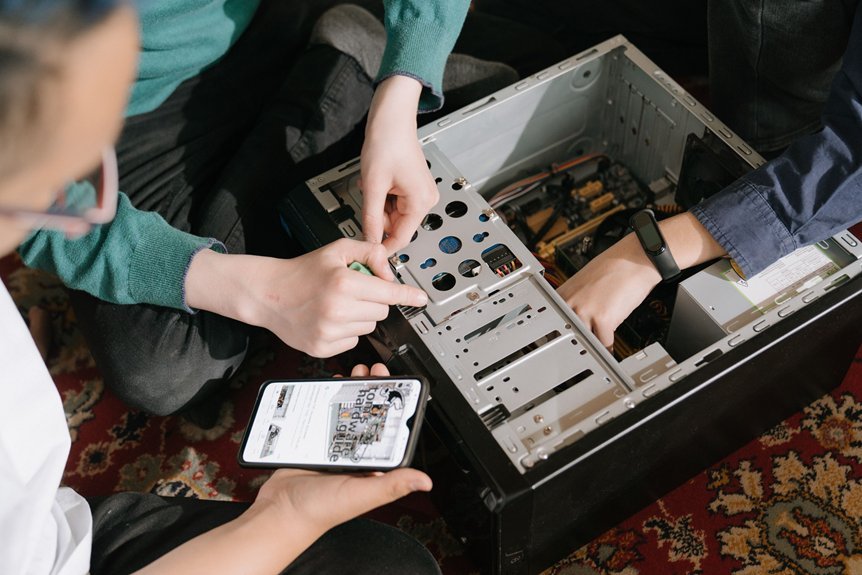
A non-professional repair kit should include essential tools: a screwdriver set, pliers, adjustable wrench, tape, electrical tester, utility knife, multimeter, and duct tape. Budget friendly kits offer comparable quality, enabling versatile, independent, freedom-focused maintenance.
Are everyday troubles really blockers, or signals nudging us toward a cleaner workflow? In a detached, methodical light, the path is clear: observe before acting, apply a three-step filter to prioritize, and use quick, momentum-preserving checks. When setbacks loom, a five-minute reboot refocuses intent and restores forward motion with repeatable routines. By maintaining calm, time-boxed cycles, you convert friction into progress and sustain autonomous, confident problem-solving. Can you start the next cycle with that disciplined pause?